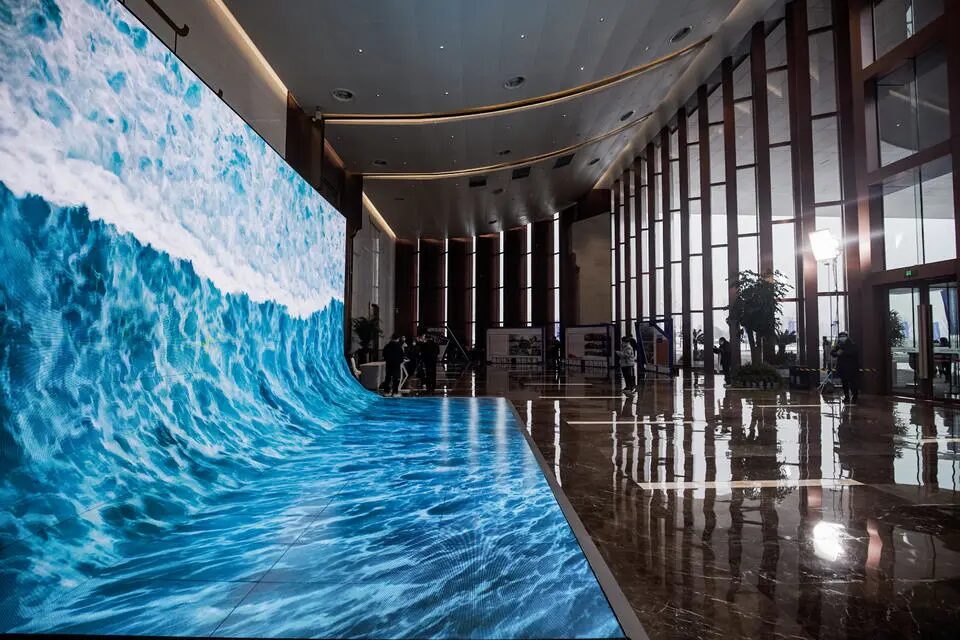
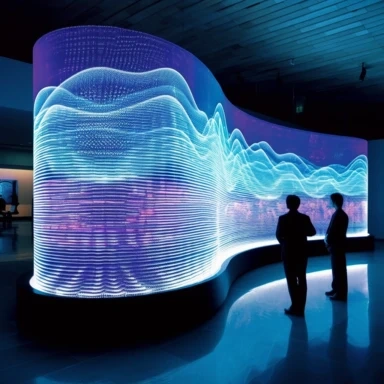
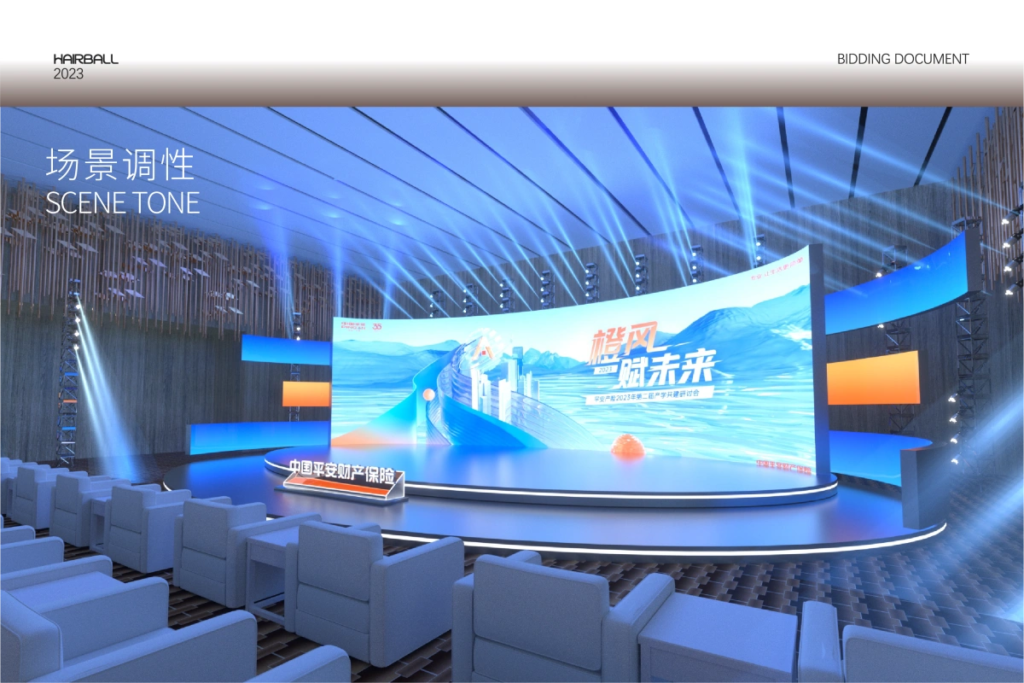
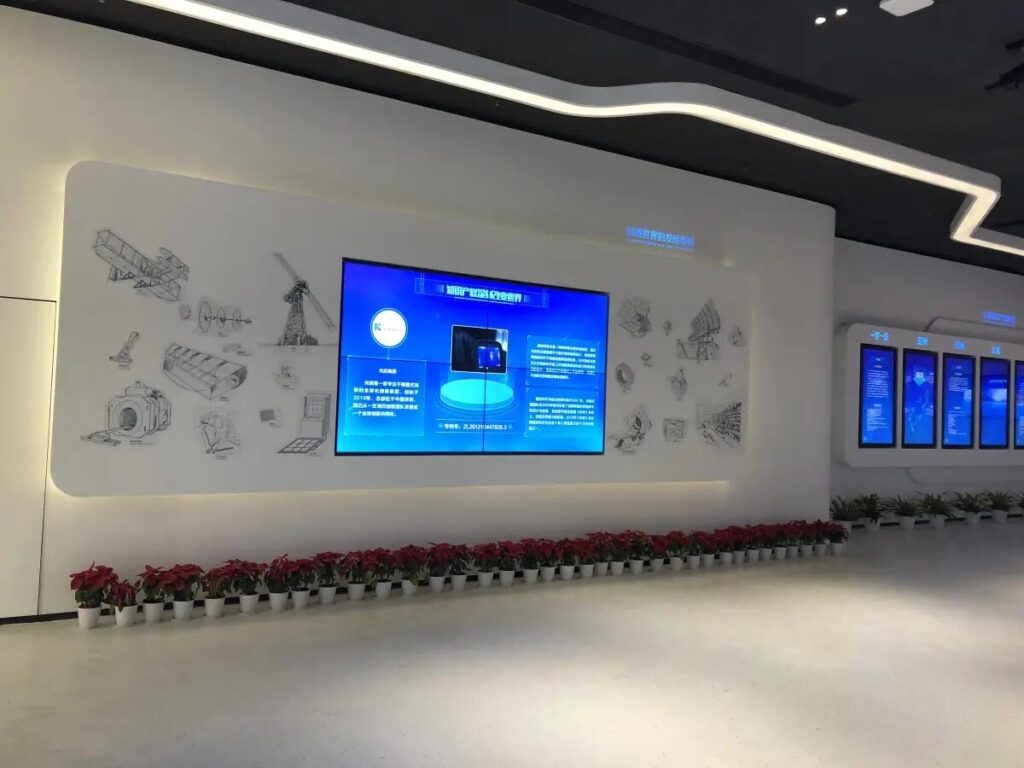
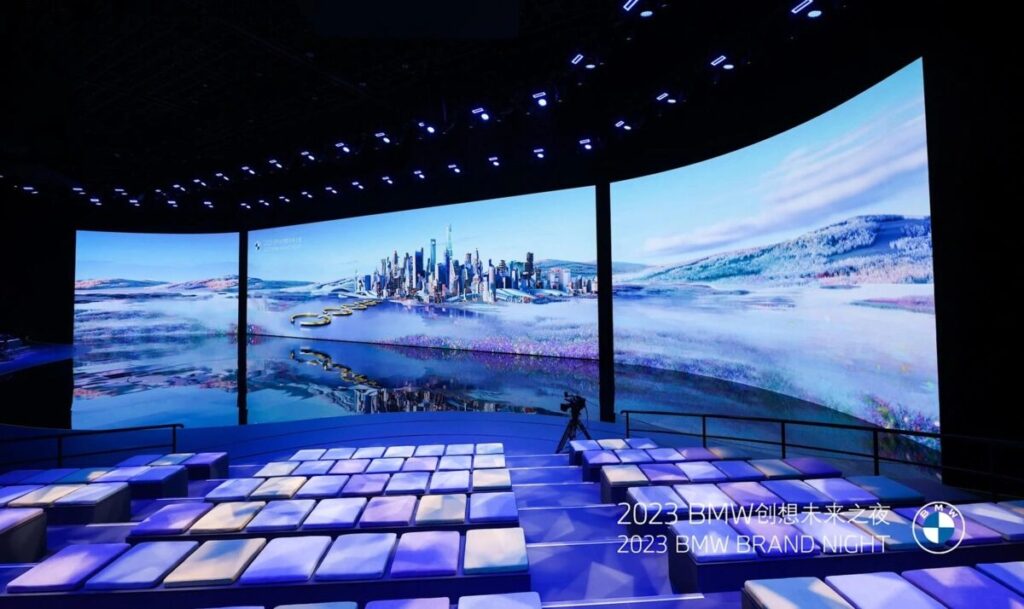
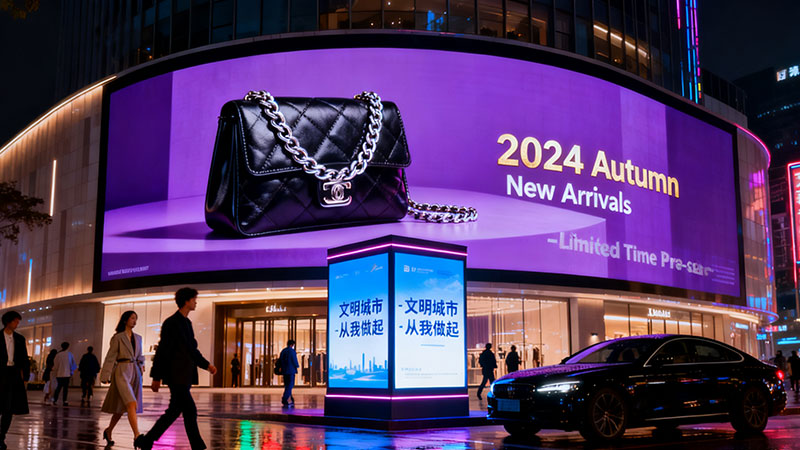
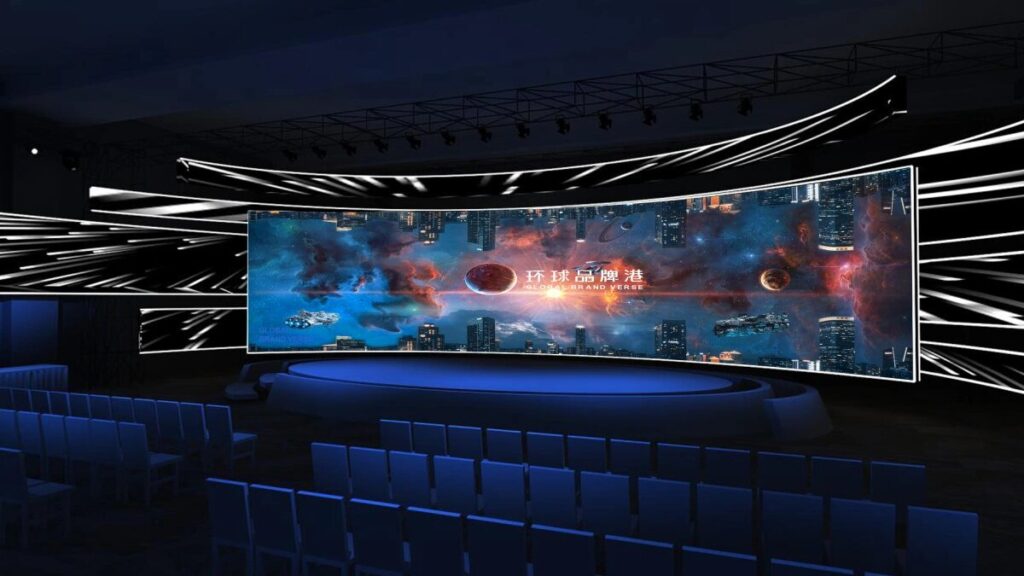








Global LED Display Market – The LED display industry is undergoing a digital transformation with the integration of artificial intelligence (AI) and smart technologies. As businesses strive to create more dynamic and personalized experiences for their audiences, the role of AI in LED displays is becoming increasingly important. Smart LED displays are now capable of adjusting content in real-time, optimizing brightness, contrast, and resolution based on ambient lighting conditions, as well as delivering personalized content based on user behavior.
AI-powered LED displays can now incorporate facial recognition, motion sensors, and other forms of user interaction, making them more responsive and engaging. For instance, digital signage solutions equipped with AI can analyze foot traffic patterns in retail environments and adjust content to target specific customer demographics, offering a more customized experience. This type of dynamic content delivery helps businesses maximize engagement and boost conversions.
One significant development in this area is the use of AI for content management and scheduling. AI-powered systems can automatically manage and schedule content based on factors such as time of day, audience preferences, and even local weather conditions. This allows businesses to ensure that their LED displays always deliver the most relevant and timely content, increasing viewer engagement while reducing manual intervention.
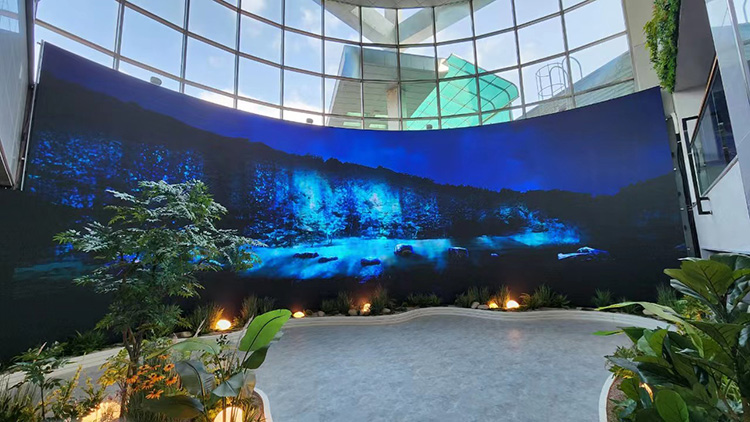
Industry experts are particularly excited about the potential for AI to enhance energy efficiency in LED displays. Through real-time adjustments based on ambient light and user interaction, AI can help reduce power consumption, prolong the lifespan of the display, and minimize operational costs. This is particularly important for large-scale outdoor displays and digital billboards, which are often left running continuously, consuming substantial amounts of energy.
Moreover, smart LED displays are integrating with other technologies like the Internet of Things (IoT) and cloud computing to enable remote monitoring and control. Businesses can manage their entire display network from a centralized cloud platform, allowing them to make quick adjustments to content, update software, and troubleshoot issues without needing to send technicians to each location.
While AI-powered LED displays are still in the early stages of adoption, their ability to provide more interactive, responsive, and personalized content is expected to drive their growth in industries such as retail, entertainment, transportation, and corporate communication. As AI technology continues to improve, it will further unlock the potential of LED displays, pushing the boundaries of how businesses and consumers engage with digital content.
In the near future, the integration of AI and smart features will likely become a standard expectation for high-end LED displays, transforming the way we experience advertising, entertainment, and information-sharing in public spaces.